

Measuring circularity
Why calculate a circularity index?
Measuring circularity makes your circular performance visible and open to discussion. This is important because there is no single, unambiguous method for measuring circularity. It consists of various indicators that, together, determine how circular your organization, product, or process is. Consider material inflows such as total material use, the proportion of recycled or biobased materials, and the use of responsibly produced raw materials. On the output side, lifespan, recyclability, repairability, and modularity play a major role. In addition, waste is a key component, with KPIs for reduction, reuse, recycling, and the prevention of hazardous waste.
Because all these KPIs are measured in different ways, they are difficult to compare with one another. That’s why we help companies make circularity measurable in a consistent and reliable way. We provide support with data collection, selecting the right methodology, and calculating individual KPIs. In addition, we’ve developed our own methods to create a clear circularity index: a single, easy-to-understand number that shows how circular your business is.
The result: well-founded insights that show where you stand and where you can improve.
Here’s how we do it — your own action plan in three steps
1. Baseline assessment and scoping
We start with a baseline assessment to gain a clear understanding of what is expected of your company in terms of circularity. We examine relevant laws and regulations, customer expectations, and market trends. We also consult internally with key stakeholders to understand what’s going on within the organization. This combination of internal and external insights forms the basis for the scoping process: we determine which circular principles and KPIs are truly important for your company — and which are not.
2. Measurement methodology
Next, we develop an appropriate measurement methodology. We start with the current situation: what data is already available, and what calculations are currently being performed? Based on that, we determine the best way to calculate the selected KPIs. We do this during working sessions with experts within your company. Together, we explore possible calculation methods and agree on who will provide which data. In this way, we not only build a solid methodology but also foster internal understanding and ownership.
3. Pilot
Finally, we’ll run a pilot using the methodology we’ve developed. We’ll guide the data collection process, verify the quality of the information provided, and ensure that everything is properly organized. We will then create templates that allow you to easily translate the data into circular KPIs. You can continue to use these templates in the coming years, ensuring that measuring circularity becomes efficient, repeatable, and reliable.




Frequently asked questions
No. There is no universal method for measuring circularity. Various KPIs and perspectives are needed to get a complete picture. That’s why we work with you to determine which methodology best suits your business.
The data you need to measure circularity depends on the KPIs you choose. Essentially, it always comes down to three types of information: material flows, product characteristics, and waste or residual flows. You don’t need to have all of this perfectly organized to get started. Often, some of the data is already available, and you can fill in the rest step by step.
A circularity index is a composite score that expresses, in a single number, how circular a product, process, or organization is. It is designed to simplify complexity into a clear and comparable figure. For example, we have collaborated with the City of Tilburg and Royal Swinkels on developing their own circularity index.
Getting started with your own team
We strongly believe in teamwork. We tailor our long-term strategic programs to meet the specific needs of your company or organization. We’re a dedicated team of three to six experts — diverse and resilient. They work together to guide your organization from development through implementation. This way, we ensure quality and guarantee the continuity of your sustainability initiatives. Ready to make an impact together?
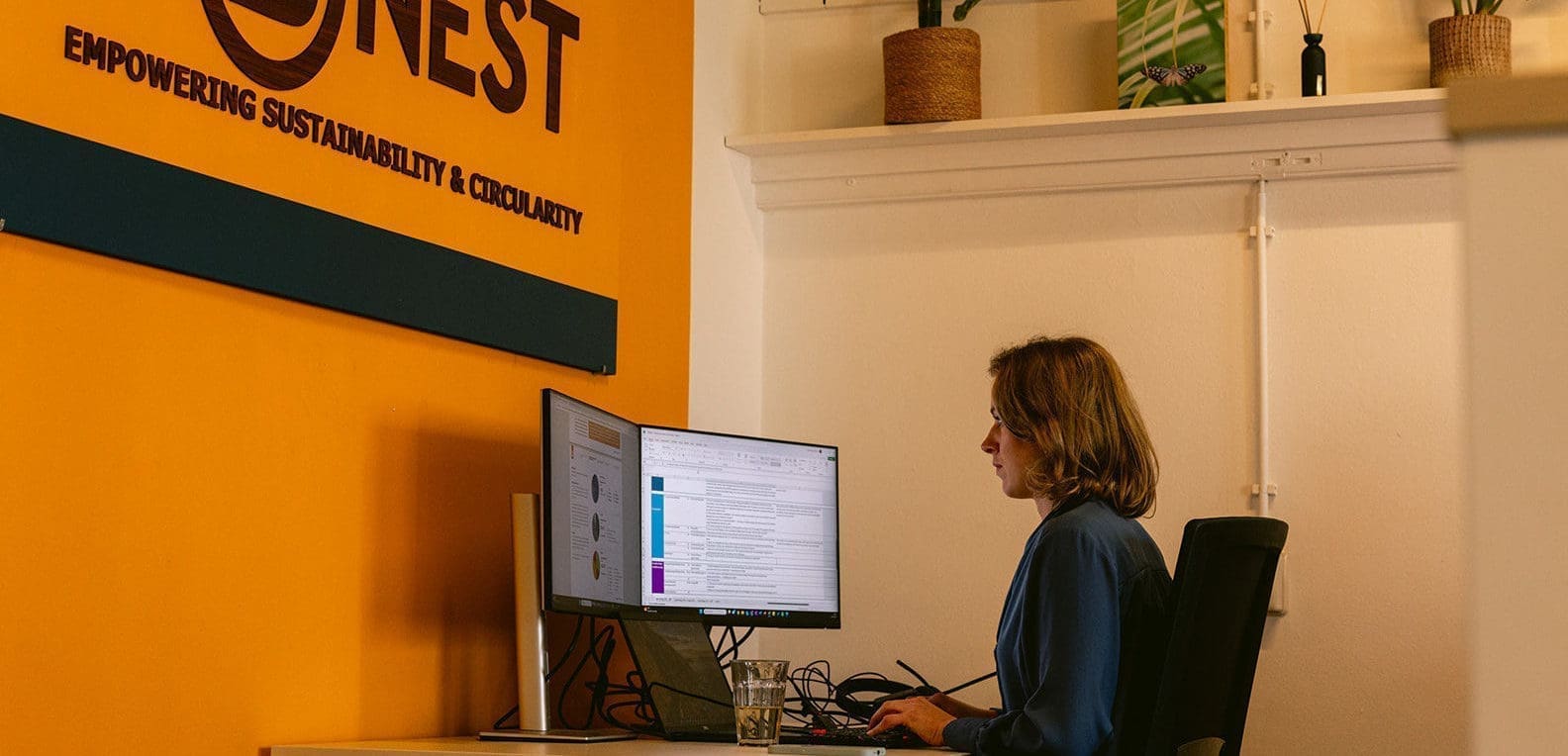
A selection of our experts
Meet our expert who — together with a strong team of fellow experts — contributes to our clients’ long-term success.