

CO₂ reduction plan
Why develop a CO₂ reduction plan?
A CO₂ reduction plan helps organizations reduce their climate impact in a targeted and measurable way. It is a logical next step after calculating a CO₂ footprint. While the footprint shows where emissions occur and how much, a reduction plan provides insight into how you can systematically reduce these emissions. Legislation such as the CSRD, commitments to the SBTi, and rising expectations from customers and stakeholders make it important not only to measure emissions but also to actively work toward reducing them.
At 2BHonest, we develop reduction plans that align with the reality of your organization: ambitious, pragmatic, achievable, and always based on reliable data. The goal is to formulate measures that are both effective and actionable. This means we focus on clear priorities, cost estimates, and expected impact. We can also ensure that the plan aligns with international standards, such as the Science Based Targets Initiative (SBTI) and the Greenhouse Gas Protocol.
The result is a concrete step-by-step plan that provides direction, builds support, and helps turn climate goals into action.
Here’s how we do it — your own action plan in three steps
1. Assessing the current situation
We start with a thorough analysis of your organization’s current CO₂ emissions and the key emission drivers. This begins with a review of your previously calculated carbon footprint. We identify where the largest CO₂ hotspots are , both internally and throughout the supply chain. Together, we’ll determine where the greatest impact can be made within your sphere of influence. These main categories will become the focus of the reduction plan. Examples include Scope 1 and 2 emissions, transportation, purchased goods, and commuting.
2. Setting reduction targets
Together, we establish measurable and evidence-based reduction targets that align with the organization’s ambitions and relevant frameworks such as CSRD and SBTi Net Zero targets. Based on research and discussions, we identify technological, organizational, and behavioral opportunities. This forms the starting point for a well-founded reduction plan. We establish timelines and link them to monitoring indicators so that progress can be closely tracked.
3. Developing a reduction plan
In the third step, we develop the appropriate reduction measures for your organization. We do this collaboratively, drawing on the expertise of both your staff and ours. We identify actions based on impact, investment, and timeframe. These may include technical optimizations, sustainable procurement, mobility policies, energy measures, and supply chain collaboration. We break down all measures into clear steps, responsibilities, and timelines. The result: a tailored, concrete, and widely supported reduction plan that you can actually put into action.


Frequently asked questions
A carbon footprint shows how much emissions an organization currently generates and where those emissions come from. It makes the current situation transparent and measurable. A carbon reduction plan builds on this by setting goals and identifying measures to actually reduce those emissions.
Climate neutral means that an organization offsets its own emissions so that the net total is zero, even if actual emissions have not been fully reduced. The remaining emissions are offset through measures such as reforestation projects. Net Zero goes a step further: it requires an organization to structurally reduce virtually all emissions throughout the entire supply chain and to offset only the small residual emissions. So it’s all about real, structural reduction — not primarily about offsetting. That’s where the real impact lies!
A CO₂ reduction plan and an SBTi pathway have a lot in common: both describe how an organization will reduce its emissions based on clear goals. The difference is that SBTi targets are externally assessed and validated according to scientific criteria. At 2BHonest, we ensure that reduction plans align with the SBTi guidelines so that they can be submitted immediately if desired.
Getting started with your own team
We strongly believe in teamwork. We tailor our long-term strategic programs to meet the specific needs of your company or organization. We’re a dedicated team of three to six experts — diverse and resilient. They work together to guide your organization from development through implementation. This way, we ensure quality and guarantee the continuity of your sustainability initiatives. Ready to make an impact together?
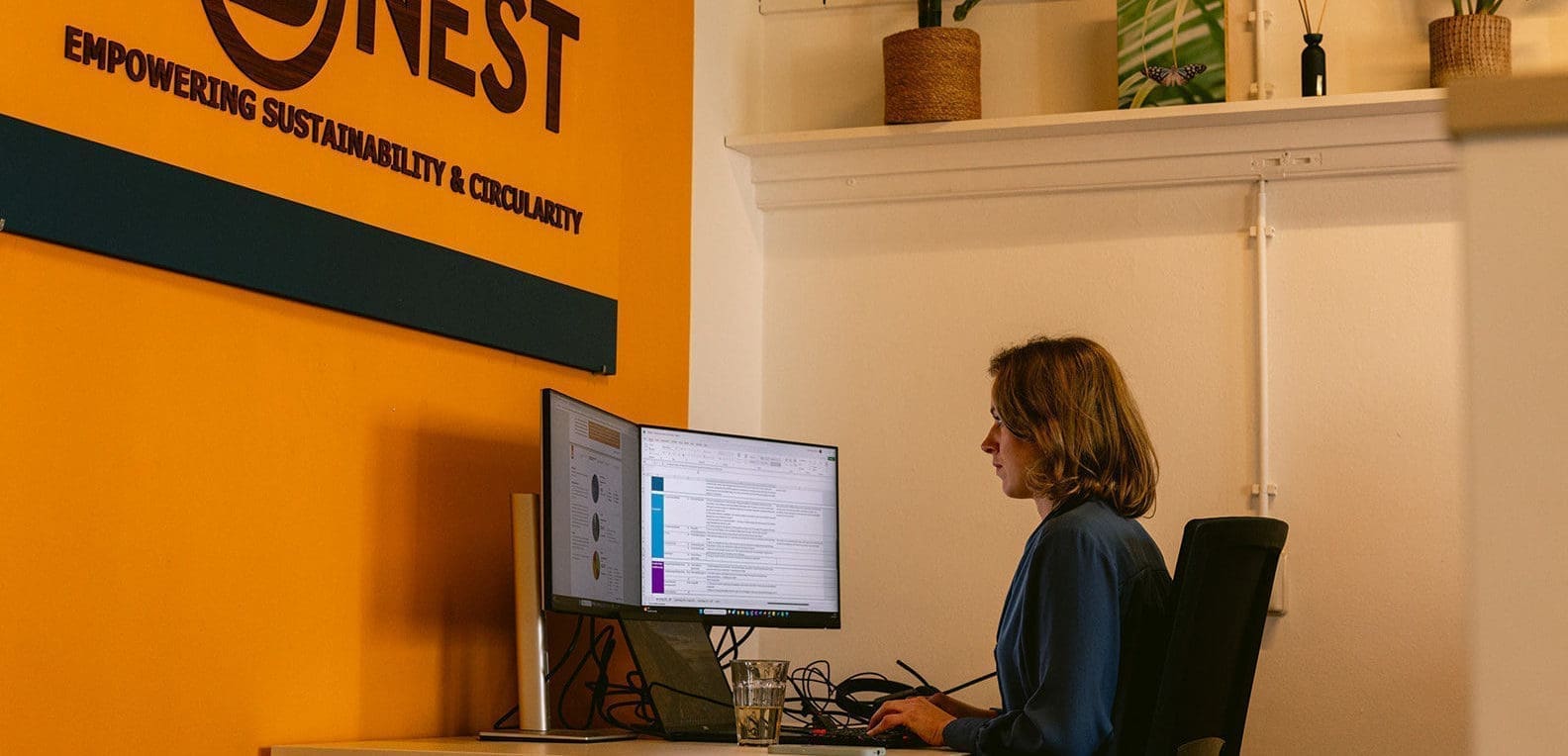
A selection of our experts
Meet our expert, who — together with a strong team of fellow experts — contributes to our clients’ long-term success.