


Judith IJszenga
Consultant
In this article, Judith discusses raw material scarcity — a topic that doesn’t immediately come to mind, but one that is affecting more and more companies. This is especially true when we consider the raw materials needed for the energy transition and new technologies. Limited availability and higher prices are affecting entire value chains — from products to end users. How can companies prepare for these challenges posed by scarcity? Judith shares her insights and explains how the Critical Raw Materials Act (CRMA) helps companies capitalize on opportunities.
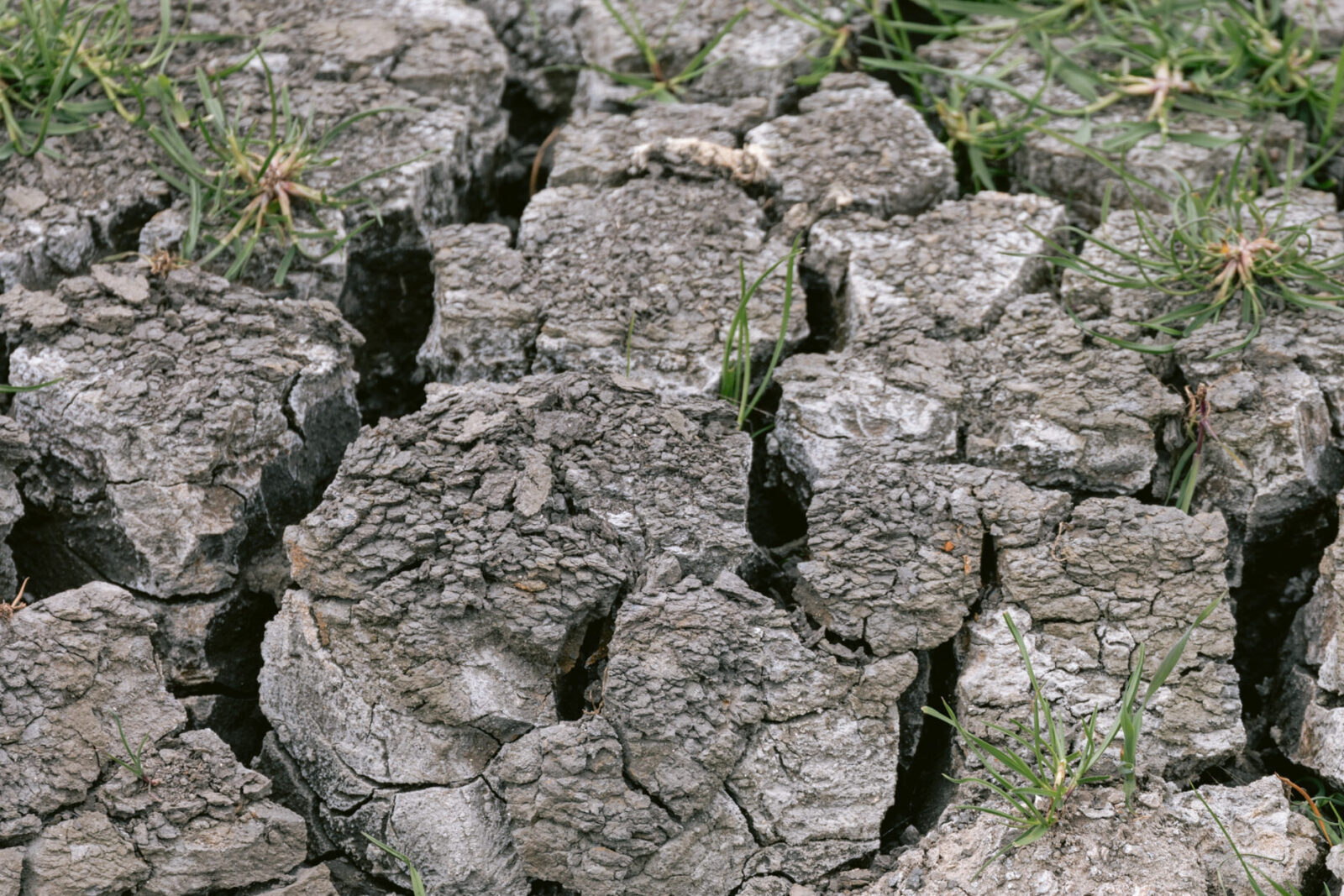
Global demand for materials is rising sharply, fueled by trends such as urbanization, sustainability, and electrification. Consider boron in solar panels. Cobalt in wind turbines. Copper in cables. Nickel in batteries. But also silicon in semiconductors and antimony in flame-retardant building materials. Various sectors consume large quantities of raw materials for these purposes. Some of these raw materials are naturally scarce, while shortages of others are due to disruptions caused by geopolitical tensions.
Demand for raw materials within the EU far exceeds supply. As a result, the EU must look abroad for many raw materials. China supplies virtually all rare earth elements, Turkey supplies nearly all boron, and 71% of platinum comes from South Africa. This dependence makes companies vulnerable to disruptions, such as those caused by trade conflicts. Consider the war in Ukraine, which disrupted the supply of wiring harnesses in the automotive industry. Or the semiconductor industry, which is grappling with shortages.
Companies in sectors such as energy, construction, technology, agriculture, healthcare, and aviation are all heavily dependent on critical raw materials, and shortages affect them on multiple fronts: financially, strategically, and socially. This leads to higher costs, delayed or stalled projects, and concerns among external stakeholders such as customers and investors.
The ability to continue your core operations uninterrupted during disruptions requires resilience. You develop that resilience by anticipating raw material shortages and capitalizing on opportunities for long-term growth and continuity.
This starts with gaining insight into your supply chain, which overlaps significantly with due diligence. Which critical raw materials do you use, from whom do you source them, and where do you purchase them? This forms the basis for assessing your dependence on certain countries. There are often opportunities to diversify your suppliers and establish partnerships within the supply chain. By reducing your dependence, you make your business less vulnerable.
In addition, I strongly believe in the importance of circularity. Analyze your material flows and integrate circular principles into your business operations. Reduce the purchase of new raw materials through more efficient use, alternative materials, better reuse, and high-quality recycling. This way, you’ll stimulate the circular economy and directly create a solution to raw material scarcity.
Yes, that’s right! That’s the Critical Raw Materials Act (CRMA), set to take effect in early 2024. This is a major step toward a united European approach to addressing raw material shortages. The EU has compiled a list of 34 critical and 16 strategic raw materials that are essential for sustainable growth and achieving climate goals.

As Europe, we want to be less dependent on countries such as China and Russia by doing more within our own region. The idea is to extract, process, and recycle more within the EU. This will give us control over our raw materials and enable us to develop better, more sustainable alternatives.
You can view the CRMA as a stimulus for the European economy and market, in which each country is given the flexibility to shape the plan in its own way. Because the government plays a supportive role, various opportunities arise for businesses. For the Netherlands, for example, this means more subsidies for knowledge and research into technology, and that we will invest more in improved waste collection, recycling, and the reuse of products containing critical raw materials.
For larger companies — with global revenue exceeding €150 million — this will provide an extra boost. For example, they will need to conduct audits to demonstrate the resilience of their supply chains and their vulnerability to disruptions in the supply of raw materials. I recommend that all companies, large or small, thoroughly explore the opportunities for reliable supply chain collaboration and circularity. By working together with supply chain partners and industry associations, you strengthen your position. Robust due diligence and a circular economy require strong dialogue and a well-coordinated value chain. Therefore, engage in dialogue with your key suppliers about raw material scarcity and work together on solutions for a more sustainable and resilient European market. The key is to seize the opportunities now to increase your resilience, so that you are ready for tomorrow’s challenges.
Raw material shortages are affecting companies in multiple ways and require strategic decisions. The energy transition offers significant opportunities, but it also brings new challenges. By taking action now and responding intelligently to the opportunities presented by the CRMA, companies can build resilience and reduce their dependence on scarce raw materials. It’s all about understanding the supply chain, collaboration, and investing in circularity. In this way, companies can not only secure their own future but also actively contribute to a more sustainable world.
Want to learn more about resource scarcity and how to increase your company’s resilience? Judith is here to help!
Judith IJszenga