


Pieter van ’t Hoff
Managing Director
Many organizations are now growing weary of Brussels. Regulations are changing faster than companies can implement them; definitions and exceptions are constantly shifting. The EUDR is a clear example of this. Because of this weariness, organizations often remain passive, hoping that the legislation will stabilize on its own.
But this passivity is misplaced. Those who take issue with the constant stream of new initiatives from Brussels are missing the point: the EU is compelling companies to prepare for a world in which raw material scarcity, geopolitical dependencies, and sustainable competitiveness are strategic imperatives. That is why the EU is working not only on new frameworks but also on programs such as the Critical Raw Materials Act and the accelerated energy transition, fully in line with Mario Draghi’s call for structural investment in energy security and critical materials.
That perception was reinforced in Munich. During the 2026 Munich Security Conference, Chancellor Friedrich Merz warned that the international order no longer exists and that Europe is operating in a reality dominated by power politics and interdependencies. Freedom and stability can no longer be taken for granted, just as Mark Carney had previously stated in Davos: the world is no longer a rules-based system, but an environment driven by geopolitical pressures.
Yet many organizations are waiting to address supply chain transparency until regulations are finalized. That’s the wrong time to act. It is precisely in times of uncertainty that gaining control over the supply chain becomes a strategic priority. The risks that really matter — such as supply security, reputational damage, dependencies, human rights issues, and environmental risks — arise upstream, out of sight but with a major impact.
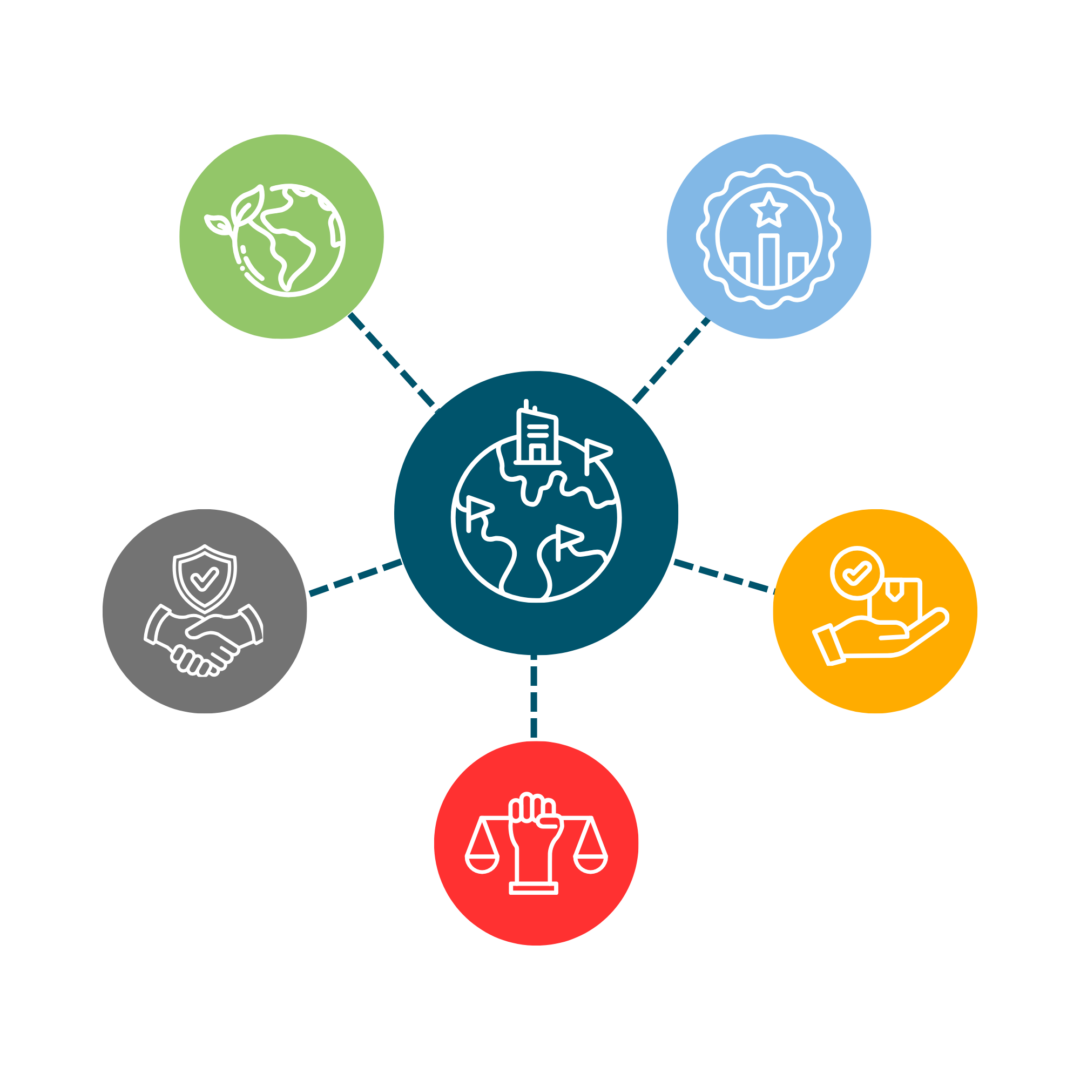
Figure 1: impact of various risks on business strategy and resilience
Supply chain transparency is therefore not a reporting requirement, but a strategic prerequisite. The goal is to prevent vulnerabilities from catching your organization off guard. Knowing where you are vulnerable, why, and which choices become unavoidable determines your room to maneuver.
For executives who want a quick overview of their key dependencies and risks, we have identified the most material supply chain risks for each sector in our Resilience Analysis. This is not an additional document, but rather a basis for addressing the question: Which risks are strategic, and what decisions will they require over the next 12 to 24 months?
Our monthly EU Sustainability Legislative Scan also highlights which regulations are shifting, accelerating, or slowing down, enabling organizations to plan ahead. Starting next month, we’ll also include a Dutch translation, so companies can respond more quickly to developments in Brussels.
Pieter van ’t Hoff